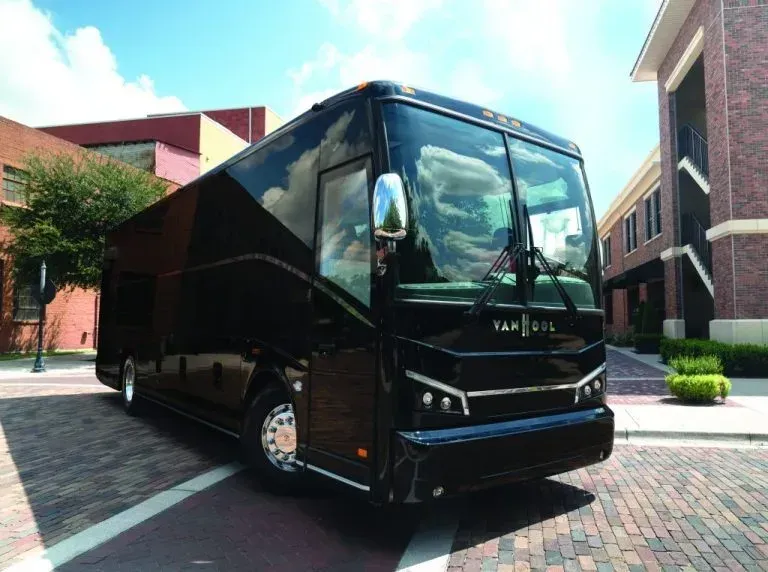
Planning transportation for a large group can easily become a demanding process when various schedules, pickup arrangements, and travel expectations need to be coordinated. Whether the event includes business functions, family occasions, group excursions, or special celebrations, making sure everyone arrives together and on schedule requires careful preparation. A carefully coordinated transportation plan helps eliminate complications, lessen delays, and create a more pleasant experience for every participant. By understanding the key elements of group transportation coordination, organizers can create a seamless travel experience from beginning to end.
When large parties travel together, transportation plays a role that goes beyond simply transporting passengers from place to place. It plays a valuable role in shaping the complete event experience. Effective coordination helps keep schedules on track, enhances communication among travelers, and supports a more comfortable trip. At A1 Quality Express Limousine, we believe organized transportation services play a vital role in helping groups travel with ease and peace of mind.
Plan Transportation Ahead of Time
Reliable group transportation starts with thoughtful preparation ahead of time. Late planning can reduce transportation choices and make it more difficult to satisfy group requirements. Organizers should begin by determining the number of passengers, travel dates, estimated departure times, and destination requirements. Gathering this information early creates a solid foundation for making transportation arrangements that support the event's overall schedule.
Planning ahead also provides opportunities to recognize potential issues before they escalate. Event schedules, transportation logistics, accessibility considerations, and roadway conditions all play a role in shaping transportation plans. Taking care of these elements early allows organizers to implement transportation plans that keep travelers moving effectively. Extensive preparation typically helps create smoother transportation experiences and minimizes unexpected challenges.
Determine the Exact Size and Needs of the Group
A critical transportation planning task is evaluating the number of participants and their specific requirements. Precise attendance figures help support proper vehicle selection and reduce the risk of overcrowding or unused capacity. Organizers should confirm attendance numbers as early as possible and continue updating those figures as click here plans evolve.
Beyond simply counting travelers, it is essential to understand individual requirements within the group. Some group members may have additional baggage needs, while others may benefit from specific accommodations or assistance. Understanding these details allows transportation arrangements to be customized accordingly. Investing time in collecting detailed information helps support a smoother and more comfortable journey for everyone involved.
Formulate a Clear Transportation Schedule
A detailed transportation plan works as a reference point for everyone involved. Planners should specify departure schedules, pickup points, travel durations, arrival goals, and any scheduled stops. Having a detailed schedule minimizes uncertainty and helps everyone understand where they need to be and when. Clarity and consistency are particularly important when handling larger groups with many participants.
Effective communication greatly contributes to schedule reliability. All passengers should be provided with transportation information prior to the event. Sharing itineraries through email, messaging platforms, or printed materials helps keep everyone informed. When expectations are clearly communicated, transportation processes become smoother and more efficient.
Implement Central Pickup and Drop-Off Areas
Working with many pickup locations can introduce avoidable challenges in coordination. Whenever feasible, planners should designate central pickup and drop-off locations that are convenient for everyone. Unified gathering points improve boarding efficiency and reduce unnecessary delays. It contributes to clearer communication and better operational performance.
Using centralized locations makes it easier to verify all passengers before leaving. Team leaders can confirm group members, distribute information, and handle inquiries before departure. An organized system helps ensure readiness and schedule adherence. Well-defined meeting areas contribute to efficient and organized transportation.
Ensure Clear Communication at Every Stage
Clear communication is among the most important elements of successful transportation planning. Travelers should be consistently informed about timing, pickup guidance, expectations, and updates. Reliable information ensures passengers can prepare without uncertainty. Strong communication increases both efficiency and overall satisfaction.
Organizers should establish reliable methods for sharing updates before and during the event. Group messaging systems, email notifications, and designated contact persons can help ensure information reaches all participants quickly. Throughout any effective transportation plan, communication acts as the central link keeping everyone aligned. Frequent updates improve reassurance and reduce potential issues.
Prepare for Unexpected Situations
No matter how detailed the plan, unexpected conditions may still arise. Conditions such as weather, traffic, timing changes, and delays may demand immediate action. Flexibility within planning improves the ability to handle sudden changes. Proper preparation helps maintain stability despite evolving circumstances.
Emergency planning should involve alternate communication methods, route options, and responsible contacts. Defined procedures support calm and organized reactions to unexpected issues. Early planning supports continued efficiency despite modifications.
Prioritize Traveler Comfort and Ease
Passenger comfort plays a significant role in the overall transportation experience. Groups traveling together for long periods require strong focus on comfort. A well-managed environment and seating comfort enhance the travel experience. Passenger comfort increases enjoyment and readiness upon arrival.
Convenience also contributes to successful transportation coordination. Easy boarding systems, clear directions, and efficient scheduling reduce complications. When transportation is thoughtfully organized, travelers can focus on enjoying the event rather than worrying about logistics. Convenient travel arrangements support a more successful overall experience.
Rely on Experienced Transportation Teams
Managing large-group transportation requires coordination across many factors, making expert support beneficial. Expert providers are capable of handling schedules and coordinating group movement effectively. Their skills assist in managing logistics while keeping operations organized.
Skilled transport professionals bring practical knowledge that enhances coordination. Familiarity with large-group travel allows professionals to foresee challenges and offer guidance. Using expert support allows organizers to concentrate on the event while logistics are managed properly.
Include Transportation as an Event Component
Transportation should be considered part of the event rather than just a way to travel. Coordinated travel allows guests to start experiencing the event early. When well organized, transportation enhances the overall experience and creates a welcoming environment.
At A1 Quality Express Limousine, we know that successful transportation is built on planning, communication, and service excellence. Organizing large-group transportation does not need to be overwhelming when proper strategies are applied. Strong organization and preparation create smooth journeys that support event success. We take pride in delivering smooth transportation experiences that help every passenger travel confidently and comfortably.